Why Magnesium Is One of the Most Important Minerals for the Human Body
In the modern world of health and wellness, certain minerals get more spotlight than others—calcium for bones, iron for energy, and potassium for blood pressure. But one often-overlooked powerhouse deserves a front-row seat in any conversation about optimal health: magnesium.
What Is Magnesium?
Magnesium is a macromineral and an essential nutrient, meaning the body cannot make it on its own and must obtain it from food or supplements. It is involved in over 300 enzymatic reactions and plays a pivotal role in nerve transmission, muscle contraction, energy production, DNA synthesis, and heart rhythm regulation.
Despite its importance, research shows that nearly 50% of Americans don't get enough magnesium in their diets (Rosanoff et al., 2012). This widespread deficiency may be silently contributing to a variety of health issues.
The Key Roles of Magnesium in the Body
1. Energy Production
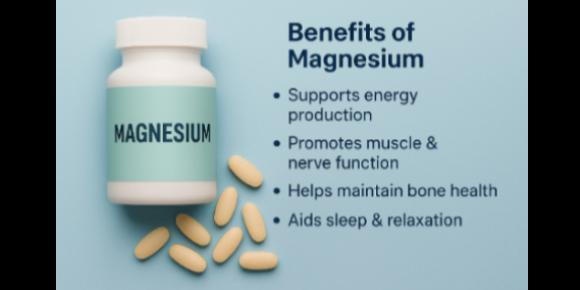
Every single cell in your body needs magnesium to produce energy. It’s essential for converting food into usable cellular energy (ATP), acting as a cofactor in this complex biochemical process.
2. Heart Health
Magnesium supports healthy blood pressure, stabilizes heart rhythm, and helps prevent calcification of arteries. Studies suggest that low magnesium levels are associated with an increased risk of cardiovascular disease (Del Gobbo et al., 2013).
3. Muscle and Nerve Function
Magnesium allows muscles to relax after contracting and aids in nerve impulse conduction. A deficiency can lead to muscle cramps, spasms, or even restless leg syndrome.
4. Mood and Brain Function
Low magnesium levels have been linked to depression, anxiety, and even migraines. It plays a crucial role in neurotransmitter function and brain plasticity (Eby & Eby, 2006). Supplementing magnesium may support mental clarity, better sleep, and overall emotional well-being.
5. Bone Integrity
While calcium gets the credit for bone health, magnesium is just as critical. About 60% of magnesium in the human body is stored in bones, and it works with vitamin D and calcium to support bone density (Castiglioni et al., 2013).
6. Blood Sugar and Metabolism
Magnesium helps regulate blood sugar levels and insulin sensitivity. Research shows that increasing magnesium intake can significantly reduce the risk of type 2 diabetes (Song et al., 2004).
Signs of Magnesium Deficiency
Magnesium deficiency can be subtle but may include:
Fatigue or weakness
Muscle cramps or twitching
Abnormal heart rhythms
Insomnia or poor sleep
Irritability, anxiety, or depression
- High blood pressure
- Numbness or tingling
Because many symptoms overlap with other conditions, magnesium deficiency is often misdiagnosed or overlooked.
How to Get More Magnesium
The best way to maintain healthy magnesium levels is through a balanced diet. Magnesium-rich foods include:
Dark leafy greens (spinach, Swiss chard)
Nuts and seeds (pumpkin seeds, almonds)
Legumes (black beans, chickpeas)
Whole grains (quinoa, brown rice)
Avocados
Dark chocolate
In some cases, especially where absorption is impaired or needs are increased (stress, aging, certain medications), supplementation may be beneficial. Magnesium citrate, glycinate, and threonate are often preferred for better bioavailability.